Celebrating American History and Culture
Response: Celebrating America: History, Art & Places to Visit
Welcome to The American Tapestry, a daily celebration of the rich history, natural beauty, cultural heritage, and vibrant traditions that make life in America unique. Each entry explores a distinct piece of the American story through art, photography, landmark destinations, and local experiences.
Daily Spotlight: The Hudson River School & The Hudson Valley
🏛️ Today in American History
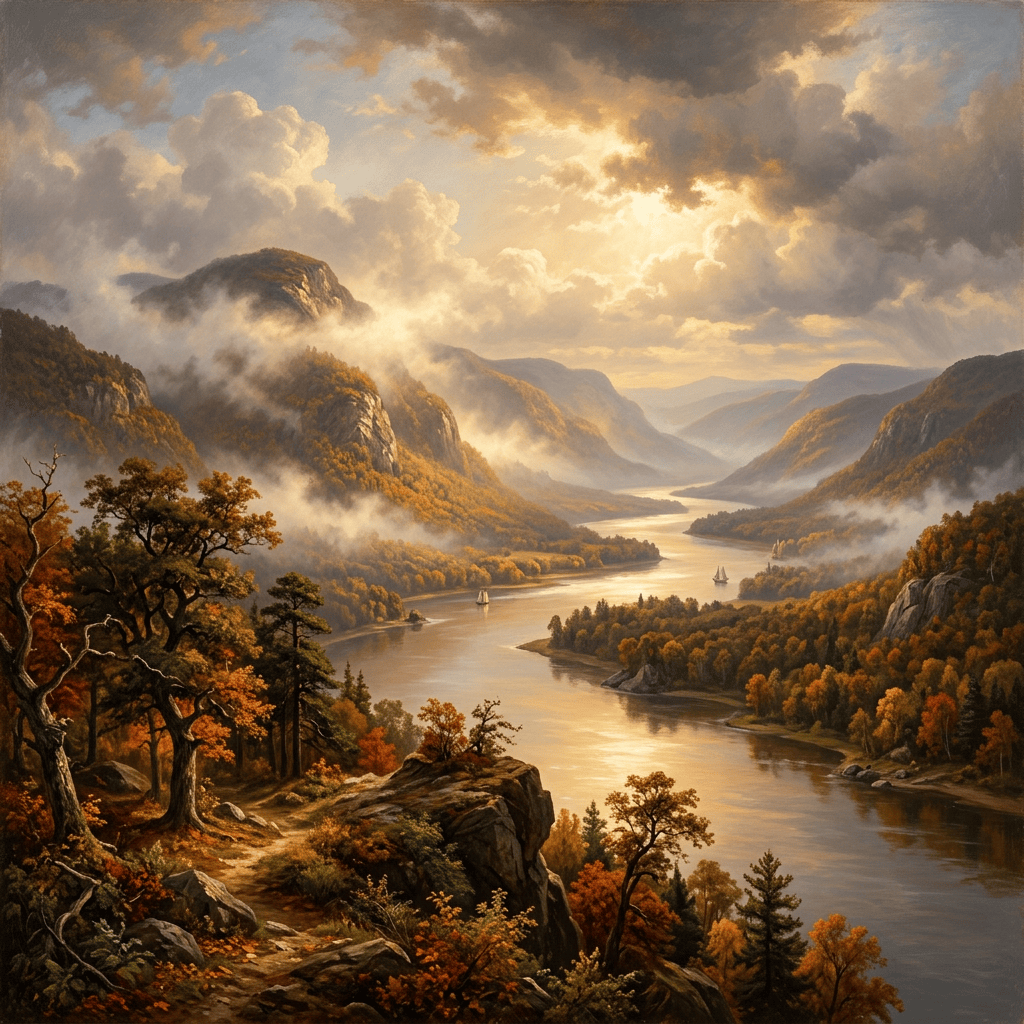
In the mid-19th century, a group of landscape painters based in New York City formed the Hudson River School—America’s first native artistic movement. Led by artists like Thomas Cole and Asher Brown Durand, this movement captured the vast, romanticized American wilderness, reflecting a growing national identity rooted in nature and exploration.
🎨 Art & Photography Focus
The Hudson River School artists emphasized dramatic light, sweeping vistas, and intricate details of the American wilderness. Their paintings inspired a national appreciation for pristine landscapes, ultimately contributing to the establishment of the U.S. National Park System.
- Featured Style: 19th-Century American Romanticism
- Key Themes: Pastoral beauty, wilderness preservation, and natural wonder
📍 Places to Visit & Things to Do
Featured Destination: Thomas Cole National Historic Site (Catskill, NY)
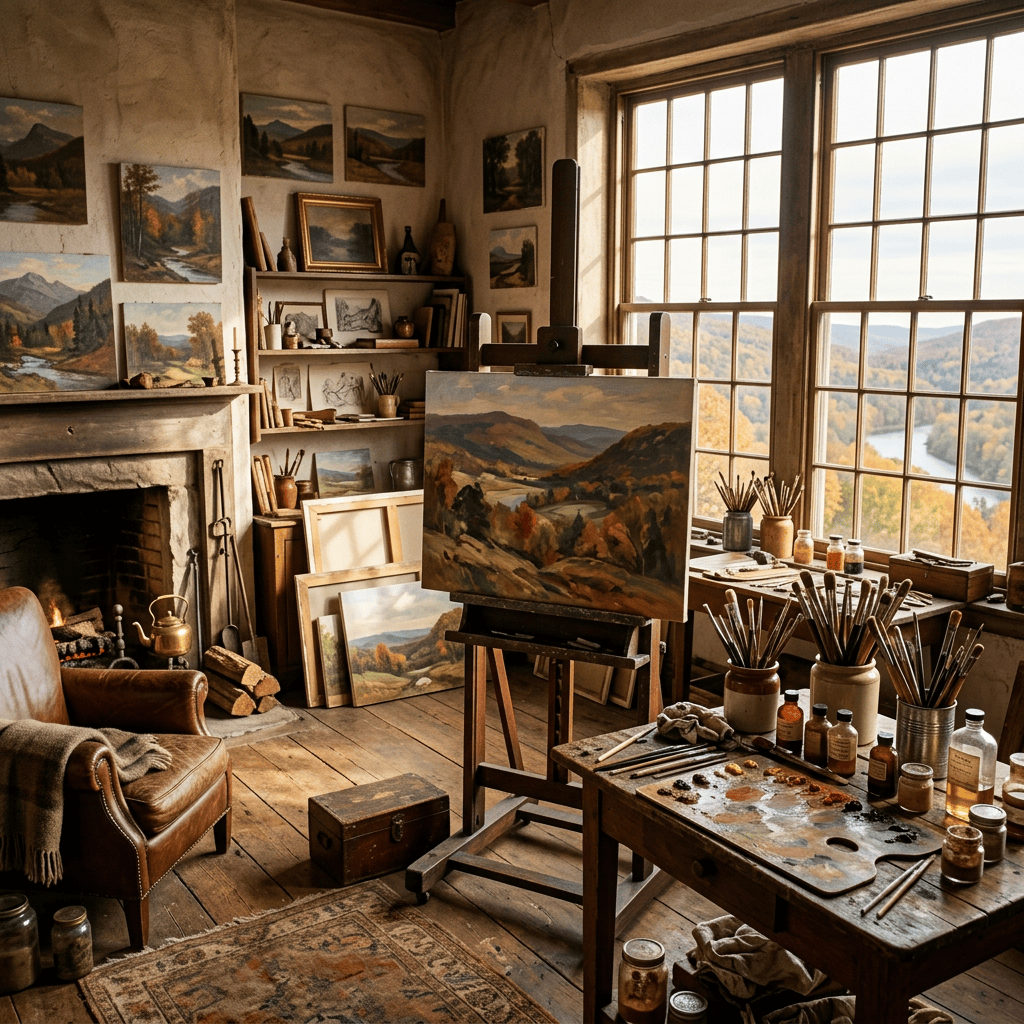
Located in the heart of New York’s Hudson Valley, visitors can tour the original home and studio of Thomas Cole, explore interactive art exhibits, and take in views of the Catskill Mountains that inspired generations of painters.
Key Activities:
- Walk the Hudson River School Art Trail: Hike to the exact scenic viewpoints overlooking rivers, waterfalls, and gorges depicted in famous 19th-century masterpieces.
- Explore Olana State Historic Site: Visit the nearby Persian-inspired estate of artist Frederic Edwin Church, featuring panoramic views of the Hudson River.
- Autumn Foliage Drives: Take Route 9W or the Catskill Mountains Scenic Byway during peak fall color to experience the landscape as the artists saw it.
User prompt: Make it a 8-10 minute read and include short videos
Response: The American Tapestry: Echoes of the Hudson Valley
Estimated Read Time: 8–10 Minutes
Focus Area: The Hudson River School, Wilderness Preservation & Upstate New York Travel
🏛️ Part I: The Spark of American Romanticism
In 1825, an English-born artist named Thomas Cole took a steamship up the Hudson River, disembarking near the Catskill Mountains. Stepping into the wilderness with a sketchbook in hand, Cole captured scenes of dramatic gorges, golden light, and untamed forests. When three of his landscape paintings were displayed in a New York City shop window later that year, they sold almost immediately, capturing the imagination of a young nation searching for its cultural identity.
Prior to Cole, American art had been dominated by European traditions—mainly formal portraiture and historical reenactments. The landscape was viewed primarily as a resource to be cleared or farmed. Cole and his contemporaries inverted this worldview, presenting the American wilderness as a cathedral of natural beauty, spiritual renewal, and historic magnitude.
Key Characteristics of the Movement
- Luminism & Light: Masterful use of glowing, ethereal sunlight breaking through storm clouds to symbolize divine presence or national destiny.
- The Sublime vs. The Picturesque: Contrasting jagged cliffs and wild storms with tranquil river bends and idyllic pastures.
- Tension with Progress: Subtle inclusions of tree stumps, distant steamships, or locomotive tracks—quietly reflecting the tension between Industrial Age expansion and environmental preservation.
🎨 Part II: Art, Photography & Visual Heritage
The movement expanded rapidly through artists like Asher Brown Durand, Frederic Edwin Church, and Albert Bierstadt. As these painters ventured further west to the Rockies and Yosemite, their canvases grew to monumental sizes—sometimes measuring over 10 feet wide.
How Art Shaped the National Parks
When modern photography emerged in the mid-19th century, photographers like Carleton Watkins and William Henry Jackson worked alongside landscape painters. Their combined visual output was not merely artistic—it served as political evidence.
In 1864, President Abraham Lincoln signed the Yosemite Grant after seeing Watkins’ photographs and landscape paintings of the region, marking the first time the federal government set aside land purely for public preservation and enjoyment.
🎬 Short Video Interludes
To complement your reading, these short video features provide visual context and expert commentary on the movement:
- “The Birth of American Art: Thomas Cole & The Hudson River School” (4:12)
Curated analysis of Cole’s masterpiece ‘The Oxbow’ and how its composition split wild nature from cultivated farmland. - “Exploring Olana: Frederic Church’s Persian Palace” (3:30)
A cinematic walkthrough of Olana State Historic Site, highlighting how the artist constructed his estate to frame the Hudson River landscape.
📍 Part III: Travel Guide — Experiencing the Hudson Valley Today
Visiting the birthplace of American landscape art offers a mix of hiking trails, historical estate tours, and scenic driving routes.
[ Catskill, NY ] ──► Thomas Cole National Historic Site
│
├──► Kaaterskill Falls Hike (260 ft drop)
│
└──► Olana State Historic Site (Hudson, NY)
1. Thomas Cole National Historic Site (Catskill, NY)
- What to Experience: Tour Cole’s main house and studio, where original paintbrushes and easels remain preserved. Interactive projections display his original sketches alongside final paintings.
- Best Time to Visit: May through October for full garden blooms and seasonal art exhibitions.
2. Kaaterskill Falls & The Hudson River School Art Trail
- The Hike: A 1.4-mile round-trip trail leading to a dramatic 260-foot two-tiered waterfall depicted by nearly every major 19th-century artist.
- Trail Tip: Stand at the designated historic markers to compare today’s view directly with prints of the original 19th-century canvas views.
3. Olana State Historic Site (Hudson, NY)
- What to Experience: The former home of Frederic Edwin Church, featuring Persian architecture, floor-to-ceiling panoramic windows, and 250 acres of land designed by Church to act as a “three-dimensional landscape painting.”
🗺️ Recommended Itinerary: 2-Day Weekend Loop
| Timeframe | Activity | Highlight |
| Day 1: Morning | Thomas Cole House Tour | Explore the original 1815 main house and studio. |
| Day 1: Afternoon | Kaaterskill Falls Hike | Walk to the historic waterfall viewpoint. |
| Day 1: Evening | Dinner in Downtown Hudson, NY | Vibrant art galleries, farm-to-table dining, and antique shops. |
| Day 2: Morning | Olana Grounds Walk | 5 miles of carriage roads with unobstructed river views. |
| Day 2: Afternoon | Rip Van Winkle Bridge Walk | Pedestrian bridge spanning the Hudson, connecting both historic sites. |

 Echoes of America
Leave a comment